








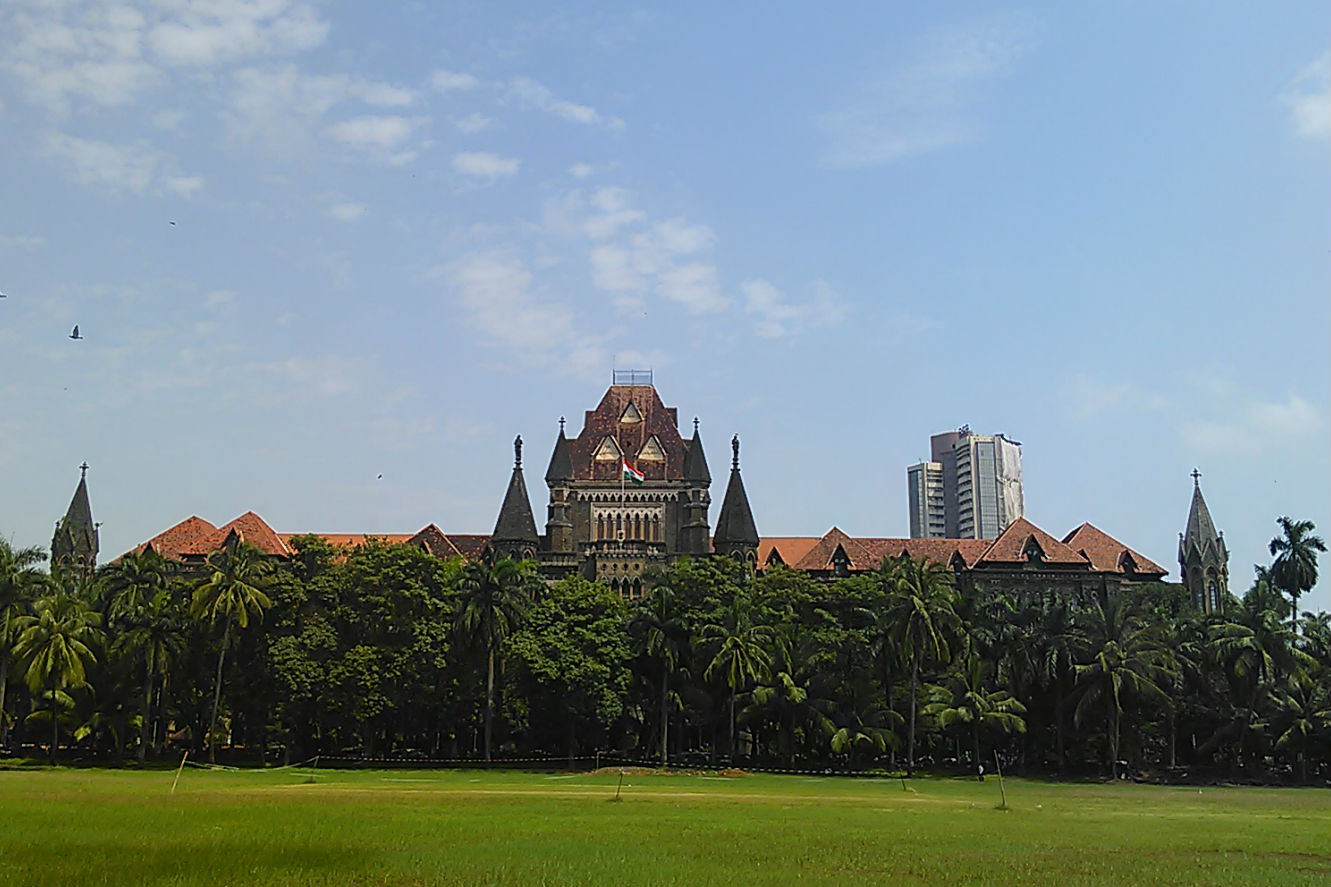
Bombay High Court: A Division Bench comprising of V.K. Tahilramani, Acting CJ and M.S. Sonak, J., dismissed a writ petition challenging the judgment of Central Administrative Tribunal wherein the Tribunal declined to interfere with the recommendations for promotion by DPC, Union Public Service Commission.
The dispute related to seniority and promotion of the petitioners as well as respondents. The petitioners contended that in the year 2000, the DPC had applied the yardstick of seniority-cum-fitness for promotions. However, in 2003, it applied some other yardstick, which, according to the petitioners, vitiated the proceedings of DPC. The Tribunal dismissed the original applications filed by the petitioners. Aggrieved thus, the petitioners filed the instant petition.
The High Court was unable to accept petitioners’ contention that DPC had adopted any unequal yardstick. In the affidavit filed by UPSC, it categorically stated that for the period in question, the selections were held in strict compliance of the regulations then in force. The petitioners failed to show that the procedure was in breach of the regulations. The Court relied on Supreme Court decision in Nutan Avind v. Union of India, 1996 (2) SCC 488, to observe that UPSC being a statutory body, and in absence of the petitioners demonstrating any statutory breach or mala fides, ordinarily it is not for the tribunals and courts to second-guess decisions of such expert bodies. For the said reasons, the High Court dismissed the petition. [Sadanand J. Koche v. Union of India,2018 SCC OnLine Bom 1916, dated 12-07-2018]







0 replies